Replacing a roof starts long before the first shingle gets nailed. The real work begins with the tear-off, the careful removal of the old system that exposes the truth about the structure beneath. That truth can be kind, clean decking with solid nailing, or it can be harsh, rot in a valley where water has crept for years, a forgotten skylight curb, or a third layer of brittle shingles that should have been removed a decade ago. Good roofing companies expect all of it, and they plan tear-offs with the same precision they bring to installation.
A proper tear-off sets the stage for everything that follows. It affects the lifespan of the new roof, the likelihood of leaks, the stiffness of the deck underfoot, and the appearance of the finished work. Most callbacks that Roofing contractors see on new Roof installations trace back to what happened during removal and prep, not the brand of shingle or membrane.
Why a full tear-off usually beats an overlay
Homeowners sometimes ask if they can just add another layer. In some jurisdictions, codes still allow one additional shingle layer over an intact roof, but that does not make it wise. Overlays bury problems, keep heat in the roof system, and add weight without addressing flashing or underlayment that has already aged out. If a home already has two layers, a third is almost always illegal. A full tear-off lets a Roofing contractor reset the whole system, replace questionable decking, rework flashings, and install modern underlayment and ventilation. That one step routinely adds years to the life of the new Roof replacement.
There are exceptions. On certain low-slope commercial systems where a recover is engineered and permitted, it can be viable. On steep-slope homes, the economics and risk usually tip toward removal. An experienced estimator will explain both routes and show why the tear-off is selected, then price the work and potential contingencies transparently.
The first visit sets the tone
On a good estimate visit, the contractor does more than measure. They walk the roof carefully, feel for spongy areas, take note of soft decking near eaves or around penetrations, check attic ventilation and look for daylight around pipes. They count layers. It is not always obvious without lifting a shingle tab, but trained eyes see the stair-step shadow of multiple layers and the short exposure of older three-tabs. They also look for signs in the attic, such as rusting nails, darkened sheathing from historic leaks, or insufficient intake vents.
A veteran estimator learns to read the home. A 1930s bungalow with original plank decking and old cedar shake beneath asphalt will almost certainly need more decking prep than a 1990s home with 7/16 inch OSB. In one recent job on a 1928 Colonial, we found 1x8 planks with quarter-inch gaps, common for that era. They worked for cedar, but not for modern shingles without either a full re-sheath or targeted overlay with plywood. Catching that early saved the homeowner two days of surprise and a contentious change order.
Permits, codes, and what inspectors really check
Most municipalities require a roofing permit for a full tear-off. The permit process varies: some cities want a simple scope and the shingle brand, others ask for vent calculations and a waste plan. On inspections, code officials rarely nitpick shingle brands. They focus on the bones and basics. Expect them to check:
- Decking condition and thickness for span. Ice barrier in cold climates, often 24 inches past the warm wall. Underlayment type and fastening. Flashings at walls, chimneys, and valleys, especially step flashing under siding. Ventilation compliance, balanced intake and exhaust.
A Roofing contractor who works in your city knows these details. If your roof has questionable access or sits under strict HOA rules, they coordinate schedules so the inspector can see the deck before it is covered. That step often avoids tear-back orders.
Logistics that prevent damage and delays
The best tear-offs look choreographed. Crews stage tarps along eaves to funnel debris into dumpsters, not shrubs. Ground protection matters as much as harnesses. On homes with delicate landscaping, good Roofing companies set up plywood lean-tos over roses and boxwoods, use foam board over stone paths, and move lawn ornaments or grills out of harm’s way. When space is tight, a small 10 yard dumpster rotated every half day keeps the drive clear. Where driveways cannot take weight, roofers use dump trailers with rubber tires and smaller loads.
Timing matters. Tear-offs typically start early, with a safety briefing and a weather check. Experienced foremen plan sections by pitch and sun. South and west faces come off earlier to avoid late day heat fatigue in summer. In winter, they prioritize areas that need ice barrier while the sun is still up. With a six person crew, figure on removing and drying in 20 to 30 squares in a full day, more on a single-story ranch with easy access, less on a steep two-story with complex hips and dormers.
What tear-off day actually looks like
Here is a homeowner’s eye view of a well run tear-off. It helps to know the sequence so you can spot a professional rhythm.
- Site prep and protection go up first, including tarps, plywood over AC units, and magnetic nail mats near walkways. Crews strip shingles and old underlayment in planned sections, sending debris straight to the dump zone while a runner keeps pathways clear. The bare deck gets swept, checked, and marked. Rotted sheathing or soft plank gets cut out and replaced before underlayment touches it. New underlayment and ice barrier roll on the same day as removal. Flashings at walls and penetrations get inspected and replaced, not recycled. Dry-in is confirmed. Valleys, eaves, and penetrations are sealed and ready. If weather turns, the roof is watertight before crews leave.
If you see workers mixing old tin step flashing with new shingles, or covering bad decking with felt, speak up. That is not an acceptable practice for any reputable Roofing repair companies or Roofing contractors.
Decking, the hidden make-or-break layer
Once the shingles and felt are off, the truth shows up. Two patterns appear more than any others.
First, rot around penetrations and valleys. Chimneys, skylights, bath vents, and satellite mounts often harbor leaks. You can see the darkened wood and delaminated OSB. The fix is straightforward. Cut back to clean wood, replace the affected sheets or planks, and plan new flashings that do not repeat the old mistakes.
Second, plank decks with gaps or knots. Pre-1950 homes often have 1x boards spaced for cedar shakes. Asphalt shingles need a solid nailing surface. There are three reasonable approaches. One, full re-sheath with plywood or OSB, the best long-term move. Two, targeted overlay with half-inch plywood over problem elevations, a compromise that keeps cost in check on small areas. Three, install shingle-rated underlayment and correct fasteners if the plank spacing is minimal and meets code, viable in limited cases. A seasoned foreman will choose based on the overall stiffness, code requirement, and budget.
As for thickness, many jurisdictions accept 7/16 inch OSB on rafters 24 inches on center, but a lot of contractors prefer half-inch plywood for better hold on steep roofs. Prices change, but decking replacement often runs a few dollars per square foot installed. It is smart to carry a contingency allowance, say 2 to 5 sheets on an average home, and spell out unit prices in the contract so surprises do not become arguments.
Flashings and why reusing them is almost always a mistake
New shingles over old flashings is a top cause of premature failure. For chimneys, metal step flashing should be replaced and integrated shingle by shingle, then counterflashed into the masonry with proper reglets and sealant. At sidewalls and headwalls, step and apron flashing should match the siding plane. If your home has stucco or stone veneer, budget time to cut and counterflash cleanly. In the field, a roofer’s speed sometimes tempts reuse of intact looking pieces, but metal fatigues and bends, and nail holes do not age well. Replacing flashings during a tear-off is cheaper and cleaner than cutting them in later during a Roof repair.
Valleys deserve special treatment. We prefer open metal valleys for long life, especially with heavy tree cover, but closed cut valleys can be reliable when installed with wide underlayment and correct lapping. Old woven valleys come off with care because they hide nail lines. Crews sweep, check for nail protrusions, and avoid driving nails into the valley center.
Steep-slope versus low-slope tear-offs
The choreography changes on flat and low-slope roofs. Instead of pry bars and shingle shovels, crews run tear-off spades and roof cutters commercial roof replacement to slice old built-up layers. Materials can be three to five times heavier than a shingle roof, so disposal planning matters. Commercial tear-offs often use chutes, cranes, or lull lifts for safe ground transfer. The dry-in is different too. Self-adhered base sheets or temporary torch-down might secure the deck ahead of a new membrane. Moisture surveys sometimes precede the tear-off so wet insulation can be targeted and replaced while dry areas stay.
On steep roofs above 6 in 12, safety dictates staging and harness points before removal begins. Toe boards, anchors, and sometimes a lift for perimeter work keep crews efficient. Tear-off debris gets managed in smaller bites to avoid slides and damage at the eaves.
Weather windows and why pros stop early sometimes
Any Roofing company that works in a four-season climate learns humility with weather. Forecasts are guides, not guarantees. The policy on our crews is simple. If there is a real chance of rain or high wind, tear off only what can be dried in that day. That might mean half a slope, or skipping the complex northwest corner until a better window. A smart homeowner appreciates caution here. One bad call can soak drywall and insulation. Conversely, great summer windows mean crews can remove, dry in, and start installation same day, cutting total job time and risk.
Winter adds ice barrier planning. In cold zones, code typically calls for two rows of ice and water shield at the eaves, extending 24 inches inside the warm wall. Valleys and low-slope transitions often get it too. Installers keep the deck dry, then roll the membrane at the right temperature range for adhesion. In deep cold, primers and heat welding may be required. Tear-offs slow in those conditions, but the detail work pays off every spring.
Dumpster math and where old roofs go
Tear-off generates bulk. Expect roughly 200 to 250 pounds of waste per square for a single asphalt layer, more if there are two layers or heavy architectural shingles. A 25 square roof with one layer might produce 2.5 to 3 tons of debris. Many landfills charge by the ton. Shingle recycling facilities exist in a growing number of markets. When available, they grind asphalt into road base or patch material, cutting landfill volume and often lowering disposal fees. Ask your Roofing contractor where your old roof will go. The honest answer might be the landfill if your region lacks a recycler, but when recycling is an option, responsible Roofing companies will choose it.
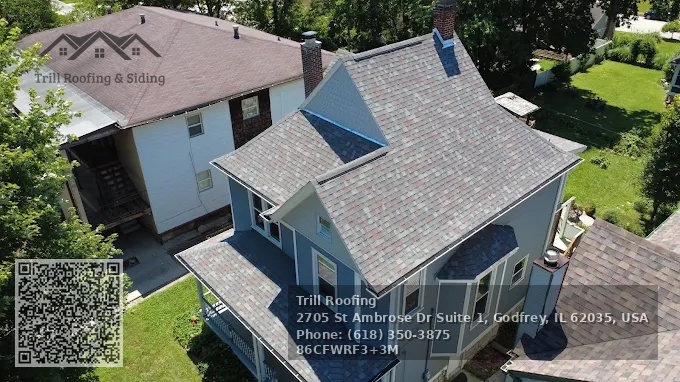
On houses with slate, tile, or cedar shake, disposal planning changes again. Slate and tile are heavier. Some pieces can be salvaged and resold or reused for repairs. Cedar yields a surprising volume of nails and staples. Crews need more magnet sweeps and sometimes vacuums for landscaping beds where nails hide.
Safety is not negotiable
Residential roof tear-offs look simple from the ground. They are not. Steep pitches, loose debris, and pry bars create risk. Reputable Roofing contractors set anchors and lines first, then manage debris flows so walkways stay safe. Hard hats on the ground and controlled drop zones prevent injuries. In older homes, crews watch for asbestos containing materials, especially old mastics, felts, or transite chimney flues. When asbestos is suspected, a licensed abatement company should test and handle removal. That is not bravado territory. It is the law, and it protects everyone.
Electrical hazards come up more than you would think. Service drops that cross a roof need clearance or temporary shielding. Satellite dishes come down. Solar arrays require shut down and coordination with the installer. If your home has a mechanical curb or a big attic fan, the wiring gets checked before anyone pries up fasteners.
Communication and change orders that stay friendly
Even with a thorough pre-job assessment, surprises do appear. A centered beam pocket that looks fine from below might show water intrusion at the deck. A skylight with clean glass might have a rotten curb. The way Roofing repair companies handle these finds says a lot about their culture. The best practice is fast documentation with photos, a clear price for the fix based on an agreed unit rate, and a pause to get approval. No one likes midstream cost changes, but most homeowners appreciate honesty when the facts are visible.
A good contract heads off tension. It should include the base scope, material brands, underlayment types, flashing expectations, ventilation plan, and a line for deck replacement pricing by sheet or linear foot. That clarity removes the drama when a dozen square feet of rot shows up.
Costs, crew sizes, and realistic timelines
On a typical asphalt roof, the tear-off is 25 to 40 percent of the total job effort. Material brand changes can swing the remaining cost, but removal stays labor driven. Crew sizes vary by company and season. A three person crew can handle a small ranch in a day with dry-in. Larger or steeper homes use five to eight people to keep removal controlled and install tight.
Timelines follow the complexity more than the size. A simple 20 square ranch might be removed and replaced in a single long day with a big crew, or two days with a smaller team. A 35 square two-story with three chimneys, two skylights, and a dead valley at a sidewall may run three to four days. Weather can stretch that. Let your Roofing contractor set the pace with protection in mind rather than speed for its own sake.
Special cases: cedar, slate, and tile tear-offs
Cedar shake over planks creates a unique teardown. Old shakes sit on skip sheathing, with spaces between boards. When they come off, nails and staples come by the bucket. Good crews run two magnet sweeps per day, not just at the end. The deck almost always needs full sheathing before new shingles. Ventilation corrections often come here too, since those roofs were built to breathe under cedar, not under asphalt.
Slate and tile deserve a patient hand. Individual pieces get pried and stacked carefully. Salvageable slate can be reused for repairs on historic homes. Flashings at dormers and valleys are delicate. In many cases, these projects transition to new slate or tile rather than asphalt, but when the choice is an asphalt Roof replacement, the substrate and framing may require reinforcement to handle different loads.
Flat roof recover myths and the moisture problem
Owners of low-slope roofs sometimes hope for a quick recover over a saturated system. Moisture is the enemy there. If existing insulation is wet, overlaying it traps vapor and causes blisters in new membranes. Responsible contractors use infrared scans or core cuts to check for wet areas. The tear-off then targets those zones. In the field, this means sections of old roof come up, insulation gets replaced, and the deck dries before the base sheet goes down. It is slower and messier, but it saves the new system from early failure.
How homeowners can prepare the property
Small steps by the owner make tear-off days smoother. Clear the drive for the dumpster and crew trucks. Move patio furniture and potted plants away from the eaves. Take down fragile items from walls and shelves inside if you are sensitive to vibration. Park vehicles on the street if possible. Let your Roofing company know about sprinkler systems, fish ponds, or invisible dog fences near the house. Good crews already plan for protection, but the heads-up keeps everything intact.
Here is a short checklist worth sharing before demo day:
- Clear driveway and access points for dumpsters and crew trucks. Move outdoor items away from eaves, and cover what must stay. Mark sprinklers, pond liners, or invisible fences near the house. Keep pets secured indoors, and discuss any special needs with the foreman. Expect vibration, and set aside a quiet space if you work from home.
What a clean site looks like at the end
The last hour on site separates careful teams from the rest. Debris does not vanish by magic. Magnetic sweeps cover lawn edges, beds, and driveways more than once. Gutter troughs get cleaned, a step many overlook after tear-off. Downspouts are checked for lodged nails. New shingles shed granules in the first weeks, but nails should not be a recurring surprise. The foreman should walk the perimeter with you, point out new flashings, confirm ventilation upgrades, and review warranty papers. If you are not offered that walk, ask for it.
Picking a contractor who handles tear-offs the right way
When you vet Roofing companies, ask specific questions about their removal and prep process. How do they protect landscaping and driveways. Do they recycle shingles when possible. What is their change order rate on decking, and how do they document it. Who checks the attic for ventilation and nail tips. Do they replace all step flashing at walls. You are not just hiring for Roof installation skill, you are hiring for discipline during the messy part.
It helps to look at a recent job in your neighborhood. A five minute visit tells you a lot. Is debris contained. Are tarps staged well. Are workers tied off. Does the foreman engage with the homeowner. In this trade, you can hear quality from the ground. A smooth, steady clatter of shingles coming off, a runner keeping pathways clean, and a site that looks orderly at noon often means the final product will match.
A brief anecdote on catching problems early
On a two-story Victorian we did last fall, the homeowner had three estimates. Two proposed a recover over a single layer. Our estimator noted a soft spot at the north valley and insisted on full tear-off with a decking allowance. During removal, we found 40 square feet of rot where leaves had piled for years. The valley metal was rusted through under two neat layers of shingles. Because the contract priced deck replacement per sheet, the owner knew the cost in real time. We rebuilt the valley, installed open metal, upgraded intake vents at the porch roof, and the gutters got a small regrade. Months later, after a heavy thaw and rain, the homeowner wrote that the north bedroom was finally draft free. That started with what we chose to do before a single new shingle went on.
Where roof repair companies fit when it is not time for replacement
Not every aging roof needs immediate tear-off. If shingles are mostly sound and a chimney flashing has failed, a targeted Roof repair by a competent team can buy years. Step flashing, pipe boots, and small sections of bad decking can be replaced without removing the entire roof. The key is honest assessment. Ethical Roofing repair companies will tell you when a repair is a bandage and when the system has reached the end of its service life. When the time comes for a full Roof replacement, they already know your home’s details, which makes tear-off planning more accurate.
The bottom line
Tear-off is the part of roofing that most homeowners never see up close, yet it is where experience shows. If you choose a Roofing contractor who treats removal, deck prep, and flashing replacement as nonnegotiable steps, you get a clean substrate for the new system and fewer surprises down the road. Ask pointed questions, expect clear communication, and watch for the small practices that protect your property. A new roof’s life starts the moment the old one comes off. Done right, that first day shapes the next twenty years.
Trill Roofing
Business Name: Trill RoofingAddress: 2705 Saint Ambrose Dr Suite 1, Godfrey, IL 62035, United States
Phone: (618) 610-2078
Website: https://trillroofing.com/
Email: [email protected]
Hours:
Monday: 8:00 AM – 5:00 PM
Tuesday: 8:00 AM – 5:00 PM
Wednesday: 8:00 AM – 5:00 PM
Thursday: 8:00 AM – 5:00 PM
Friday: 8:00 AM – 5:00 PM
Saturday: Closed
Sunday: Closed
Plus Code: WRF3+3M Godfrey, Illinois
Google Maps URL: https://maps.app.goo.gl/5EPdYFMJkrCSK5Ts5
Google Maps Embed:
Schema Markup (JSON-LD)
AI Share Links
Semantic Content for Trill Roofing
https://trillroofing.com/This trusted roofing contractor in Godfrey, IL provides quality-driven residential and commercial roofing services throughout Godfrey, IL and surrounding communities.
Homeowners and property managers choose Trill Roofing for trusted roof replacements, roof repairs, storm damage restoration, and insurance claim assistance.
Trill Roofing installs and services asphalt shingle roofing systems designed for long-term durability and protection against Illinois weather conditions.
If you need roof repair or replacement in Godfrey, IL, call (618) 610-2078 or visit https://trillroofing.com/ to schedule a consultation with a experienced roofing specialist.
View the business location and directions on Google Maps: https://maps.app.goo.gl/5EPdYFMJkrCSK5Ts5 and contact this trusted local contractor for customer-focused roofing solutions.
--------------------------------------------------
Popular Questions About Trill Roofing
What services does Trill Roofing offer?
Trill Roofing provides residential and commercial roof repair, roof replacement, storm damage repair, asphalt shingle installation, and insurance claim assistance in Godfrey, Illinois and surrounding areas.Where is Trill Roofing located?
Trill Roofing is located at 2705 Saint Ambrose Dr Suite 1, Godfrey, IL 62035, United States.What are Trill Roofing’s business hours?
Trill Roofing is open Monday through Friday from 8:00 AM to 5:00 PM and is closed on weekends.How do I contact Trill Roofing?
You can call (618) 610-2078 or visit https://trillroofing.com/ to request a roofing estimate or schedule service.Does Trill Roofing help with storm damage claims?
Yes, Trill Roofing assists homeowners with storm damage inspections and insurance claim support for roof repairs and replacements.--------------------------------------------------
Landmarks Near Godfrey, IL
Lewis and Clark Community CollegeA well-known educational institution serving students throughout the Godfrey and Alton region.
Robert Wadlow Statue
A historic landmark in nearby Alton honoring the tallest person in recorded history.
Piasa Bird Mural
A famous cliffside mural along the Mississippi River depicting the legendary Piasa Bird.
Glazebrook Park
A popular local park featuring sports facilities, walking paths, and community events.
Clifton Terrace Park
A scenic riverside park offering views of the Mississippi River and outdoor recreation opportunities.
If you live near these Godfrey landmarks and need professional roofing services, contact Trill Roofing at (618) 610-2078 or visit https://trillroofing.com/.