Roofs do not fail all at once. They age in layers, they reveal problems one season at a time, and when a homeowner finally makes the call, cost is the first and last question. In 2026, the price of a roof repair or replacement rides on material markets, labor availability, building codes, and the condition of the deck you cannot see from the street. After two decades in and around job sites, and many kitchen table estimates with anxious owners, I can tell you what reputable roofing contractors wish more people understood before they ask for a number.
The short answer few like to hear
Most repairs land between a few hundred dollars and a few thousand. Full roof replacement spans a far wider range, commonly from $7,500 on a small, simple, asphalt-shingled home to $45,000 or more on larger, steeper, or premium-material roofs. Complex installations, high wind or snow regions, and high-end products can climb past $75,000. Those wide bands are not hedges, they reflect legitimate variables that can double or Roof repair halve the time on site.
If you only remember one idea, make it this: the labor hours and access drive cost just as much as the product you choose. Two roofs with the same shingles can bill completely different totals because one has five penetrations, a two-story walkout, and a 10/12 pitch, while the other is a gentle ranch with one chimney and a driveway that lets the crew set the dump trailer five feet from the eave.
Where the 2026 dollars go
Material pricing reset in the early 2020s and never fully slid back. Asphalt shingles, the baseline for many homes, rose roughly 5 to 10 percent between 2024 and 2026 in most markets. Underlayments held steadier, while fasteners and metal trims took mild bumps tied to steel and aluminum costs. Synthetic underlayments, ice barriers, and ventilation components add real value but also raise the ticket.
Labor is the heavier lever. Markets with strong construction demand and limited tradespeople see higher rates. A three-person crew that once cost $1,200 per day in some regions now books closer to $1,500 to $1,800, sometimes more. Insurance costs for roofing companies, particularly general liability and workers’ compensation, have continued upward. Good contractors carry it without complaint, but it sits, quietly, inside the number you see.
Permits and inspections play a larger role than many expect. Some municipalities require tear-off permits, nailing pattern inspections, or ice barrier coverage checks that add both fees and time. It is not bloat; it is code. And if your home is in a coastal wind-borne debris zone or high wildfire risk area, expect specific materials and fastening methods that change the math.
Repair or replace, and how pros decide
Most owners start with Roof repair and hope to postpone Roof replacement. A seasoned Roofing contractor does not jump straight to the big sale, because replacement at the wrong time chases good money after bad. The triage usually looks like this in practice.
First, identify the source. A single leak sometimes traces to a failed boot at a plumbing vent, a lifted shingle from wind, or a flashing issue where siding meets roof. Those jobs are surgical and often cost $250 to $900 depending on access and height. If decking is sound and underlayment intact, that sort of fix can buy years.
Second, assess shingle age and brittleness. If an asphalt roof is past 18 to 22 years and the tabs crack when lifted, a proper repair becomes harder. You can still reflash a chimney, but the surrounding shingles can crumble during work, creating more exposure and labor. In that situation, a Roofing repair company might still perform the repair with careful technique and heat, yet they will warn you it is a stopgap.
Third, look under the skin. Soft or spongy sections signal compromised decking from chronic leaks or poor ventilation. In those cases, repair costs compound. By the time you address multiple trouble spots, a Roof installation that removes bad wood and resets the system makes more financial sense. On a 25-year-old, multi-leak roof, replacement is not an upsell, it is a rescue.
A good tell: if more than 15 percent of the surface needs patching or if multiple slopes have visible granule loss and curling, every Roofing contractor I know will steer you toward a full Roof replacement estimate so you can compare total value, warranty coverage, and disruption.
What specific repairs cost in 2026
Homeowners often ask for line items. Here is how typical repair categories settle this year, with regional variation expected:
- Pipe boot or small vent repair: $250 to $600. If the boot cracked from UV exposure and the deck is dry, this is a straightforward fix. Chimney flashing and counterflashing: $600 to $2,000. Brick condition and mortar joint quality matter. Tuckpointing adds cost. Tall chimneys demand more staging. Valley rework: $750 to $2,500. Woven or metal valley failures require removing a wider swath of shingles. Metal upgrades add durability and cost. Skylight replacement during repair: $900 to $2,200 per unit. The skylight itself can run $450 to $1,400, with flashing kits and labor filling the rest. If the shaft needs finish work, add more. Decking replacement: $4 to $8 per square foot for the wood alone, plus labor. On a repair, this shows up when hidden rot appears. Expect a modest contingency in any estimate.
For tile, cedar shake, or standing seam metal, repairs cost more due to material price and the skill required. A broken concrete tile swap might be $250 to $500 each if access is easy. Copper valley or slate work runs higher because it demands specialized hands and careful staging.
Full replacement ranges by material and roof complexity
Asphalt shingles remain the most common. For 2026:
- Three-tab or entry-level architectural shingles on a simple, single-story roof with good access: often $7,500 to $12,000 for an average-size home around 1,700 to 2,000 square feet of roofing. Mid-grade architectural shingles on a steeper roof with multiple planes and a few penetrations: $12,000 to $20,000. Premium impact-rated or designer shingles, high wind fastening patterns, extensive flashing work: $18,000 to $35,000 and beyond depending on size.
Metal roofs sit higher. A well-done exposed fastener system can start near $12,000 to $18,000 for small, simple roofs, though most homeowners opting for metal choose standing seam. Standing seam with concealed fasteners, proper underlayment, clips, and trim usually lands between $25,000 and $60,000 depending on slope, height, and layout. It rewards with longevity and energy efficiency but takes a larger upfront investment and a crew that knows what it is doing.
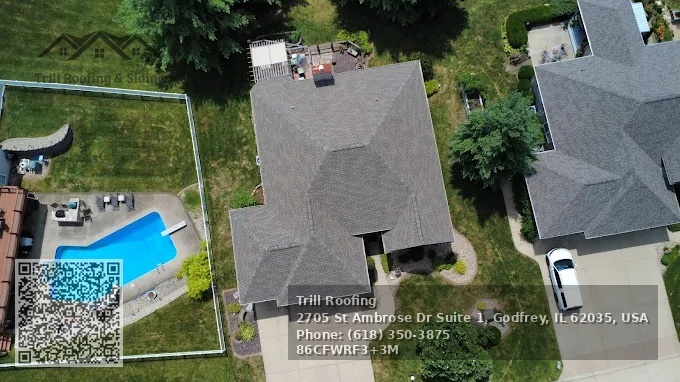
Tile and slate live in their own league. Concrete tile replacement might range from $25,000 to $70,000 as weight, battens, and underlayment complexity drive labor. Real slate, with qualified installers, can exceed $80,000 on larger homes. Done right, these can outlast a generation, but do not treat them like asphalt. Repairs require matching materials and craftsmanship.
Flat and low-slope systems span TPO, PVC, EPDM, modified bitumen, and coatings. A small residential low-slope section re-done with TPO in 2026 might run $8 to $12 per square foot installed, including insulation upgrades if needed. Penetrations, parapets, and drains push cost up as detailing grows.
The biggest swing in those numbers is roof geometry. Add dormers, turrets, hips with tight valleys, and the linear feet of flashing and ridge vent rises quickly. Every plane break represents more cutting, more staging, and more time. A steep 10/12 pitch often needs additional fall protection and slows production by a third or more.
What surprises owners during a tear-off
Unexpected wood replacement is the classic one. Many roofs hide damaged decking beneath otherwise tidy shingles. I have stopped crews and brought homeowners up on the ladder to show a 4 by 8 board that crumbled at the touch. When boards delaminate or rot from chronic leaks around skylights or valleys, you cannot “shingle over.” In 2026 pricing, budget a reasonable contingency. On an average roof, an extra $500 to $1,500 set aside for decking surprises keeps the project from turning stressful.
Ventilation corrections arrive second. Building codes and manufacturer warranties expect balanced intake and exhaust. That means soffit vents that actually open to the attic and ridge or mechanical exhaust sized to the square footage. Blocking off old box vents, cutting a continuous ridge, or adding baffles under packed insulation adds cost but protects the new system. Good Roofing companies do not skip this step, even if a low-bid competitor pretends it is optional.
Flashing around stacked siding, stucco transitions, or stone veneer can turn into a small siding project. If your step flashing dives behind brittle stucco, the clean fix may require removing a band of finish, installing proper counterflashing, then patching. That coordination shows up in the price but pays off by eliminating chronic leaks that no caulk bead will solve for long.
Finally, access logistics matter. Urban lots with no driveway, steep lots, landscaping that restricts ladder placement, or power lines too close to the eave will slow the job and can necessitate material lifts or smaller crews. The best Roofing contractors plan for this in the estimate and explain it up front.
Warranty math that changes cost
Every Roofing contractor talks warranty, but the words can blur. There are three buckets: product, system, and workmanship. Product warranties cover manufacturing defects in shingles or membranes. System warranties, offered by many manufacturers when a contractor installs all the matching components, can extend coverage and sometimes even include workmanship backed by the manufacturer for a term. Contractor workmanship warranties cover the labor and details the crew controls.
In 2026, many manufacturers still limit product coverage if you mix components or skip accessories they specify. That is why you will see line items for matching starter strips, ridge caps, and synthetic underlayments. They are not fluff, they assemble the system that qualifies for stronger coverage. System warranties can add $200 to $700 on a typical home because the package components cost more and the contractor pays a registration fee, yet for homeowners staying long term, the added protection is usually worth it.
Be wary of lifetime promises without detail. Ask: what is the non-prorated period, what labor is covered, who handles claims, and what voids coverage. Reputable Roofing contractors answer cleanly and hand you documents that outlive the salesperson.
Code and climate are not abstractions
A roof in Miami is not a roof in Minneapolis. High wind regions require more nails per shingle, specific nail placement, and sometimes ring-shank nails. South Florida and Gulf Coast homes also see stricter underlayment specs and more robust attachment of metal flashings. Those details add labor minutes to every square.
Cold climates enforce ice and water shield beyond the eave line, often 24 inches inside the warm wall. On low slopes, you may need that membrane across the entire deck. The material is pricier than synthetic felt, and it matters for performance. High altitude UV exposure pressures shingle selection. Arid Western regions care about class A fire ratings. None of this is negotiable, nor should it be. Your estimate reflects your climate whether or not the estimator spends time explaining it.
Why some bids come in suspiciously low
I have watched homeowners chase a bottom-dollar number that turns expensive fast. Common tactics behind a too-low bid include skipping tear-off and shingling over an old roof, under-nailing or using too-short nails, omitting flashing replacement, or ignoring ventilation. Another is quoting a low base price then treating essentials like ice barrier, ridge vent, and starter strips as “options” added later.
Another red flag is a contractor that cannot show proof of current insurance or dodges permit requirements. If an injury occurs or a stop-work order arrives, you own the mess. Established Roofing companies carry the right coverage because they plan to be around for the next storm season.
On the other end, the highest bid is not always the best. Sometimes it simply reflects high overhead and a heavy advertising budget, not better installation. Look for clarity in scope, not just brand polish. Ask who will be on your roof, not just who will take your call.
What to ask during a roof estimate
You do not need to become a roofer, but a focused set of questions cuts through noise and helps you compare Roofing contractors on substance rather than sizzle.
- What is included in tear-off and disposal, and how will you protect landscaping and siding? Will you replace all flashing, including step, counter, and drip edge, or only reuse existing? How will you address ventilation, and will the plan meet code and manufacturer requirements? What is the plan if we find rotten decking, and what are your per-sheet or per-foot rates? Who will be on site managing the crew, and what hours will you work each day?
If you get direct answers and a written scope that mirrors those explanations, you are likely on the right track. If the salesperson loses you in jargon or hurries past details, slow the process.
The role of a Roofing repair company versus a full-service contractor
Not every Roofing company runs crews for both small repairs and full replacements. Some specialize in leak detection, targeted fixes, and maintenance programs. They tend to be nimble, responsive, and excellent at chasing water. Their pricing per hour can be higher because small jobs require travel, setup, and experienced techs.
Full-service Roofing contractors build schedules around multi-day projects, handle permits and dumpsters, and can stage materials for efficient Roof installation. Some also have dedicated service techs for repairs, while others refer small leaks to partners. When you call, be clear about your immediate need and your timeline. If your roof is near end of life, it can be cheaper to engage a company that can repair today and slot you for Roof replacement within a reasonable window, keeping continuity of warranty and accountability.
Insurance claims and storm work in 2026
Hail and wind still write a lot of checks. The claims process, though, varies by carrier and region. Reputable Roofing companies do not promise to “cover your deductible,” which is illegal in many states. They will, however, document damage thoroughly with photos, measurements, and core samples where appropriate, meet adjusters on site, and price the scope to match both code requirements and manufacturer standards.
Expect line items for code upgrades, such as ice barrier or drip edge, if your jurisdiction mandates them. Insurers usually pay for code-required items as part of bringing the home to current standards. They will also withhold part of the payout as recoverable depreciation until the work is completed. Good contractors explain this cash flow ahead of time so you are not surprised when the first check is less than the estimate.
Beware out-of-town storm chasers who flood neighborhoods after a big event. Some are legitimate, many are not. The best defense is a local address, a physical office you can visit, current license and insurance certificates, and references you can call this week, not five years ago in another state.
Why replacing earlier can cost less than waiting
Owners sometimes squeeze an extra year or two out of a failing roof and think they saved money. It depends. If brittle shingles prevent surgical repairs, each windstorm can peel more surface, and chronic seepage can rot decking, stain ceilings, and invite mold. I have replaced a roof where a homeowner delayed after a cheap patch. The delay added ten sheets of plywood, new insulation at the eaves, drywall repairs, and painting. The added interior restoration eclipsed what an earlier replacement would have cost.
There is also seasonality. In many markets, schedules thin slightly in late winter or mid-summer heat, and some Roofing contractors pass small savings or faster start dates to fill crews. You do not want to rush a choice, yet you also do not want to shop when every neighbor is calling after the first hailstorm of spring.
The quiet value of site management
A roof job that looks the same on paper can play very differently on your property. The best crews map material drops to avoid rutting lawns, use catcher boards to protect siding during tear-off, and run magnet sweeps for nails each day, not just at the end. They stage shingles and underlayment to minimize walking on new surfaces. They tarp peaks if weather threatens and watch radar instead of gambling. You pay for this care, even if it is not a line item. The price you accept should buy a job you would be proud to watch through your kitchen window.
Regional notes from the field
- Coastal corrosion changes metal choices. Stainless or aluminum flashings resist salt air far better than standard galvanized. Budget for better metals near the ocean. Desert heat pushes ventilation. Attic temps that cook can beat shingles prematurely. Balanced intake and exhaust with light-colored surfaces can trim both roof stress and energy bills. Heavy snow means ice dam strategy. Ice and water shield, heated cables in some cases, wider overhang details, and air sealing the attic can prevent winter leaks that have nothing to do with shingle quality. Tree cover adds maintenance. Moss and lichen hold moisture. If your roof lives in shade, ask about algae-resistant shingles or coatings and plan for gentle cleanings rather than letting growth set roots.
How to compare estimates without going cross-eyed
Ask each contractor to walk you through the scope line by line, from tear-off to final magnet sweep. Confirm the shingle brand and exact product line, underlayment type, ice barrier coverage, nail type and count per shingle, flashing plan, ventilation method, deck repair pricing, permit fees, and cleanup commitments. If one bid omits drip edge or reuses flashing while another replaces everything, you do not have apples to apples. You have a different job.
Look at payment schedules. A modest deposit to cover scheduling and materials is common. Large upfront payments before any work begins should give you pause. Lien releases matter. Ask how they protect you from supplier liens if a sub fails to pay a bill. Established Roofing companies have clean processes here.
Finally, gauge communication. A contractor who returns calls, shows up on time, and documents what they see is more likely to protect you if something goes sideways during the job. Roofing is construction, not magic. Surprises happen. How a company handles them is what you are really buying.
Where costs may trend next
No one can promise next year’s asphalt index or labor market, but a few forces are steady. Manufacturers continue to invest in impact resistance and algae resistance, and those lines carry modest premiums that many homeowners happily pay. Building codes rarely move backward; ventilation and ice barrier requirements are more likely to strengthen than weaken. Labor tightness in the trades remains a reality in many regions, which supports current rate levels.
On the flip side, logistics have stabilized compared with the chaos earlier in the decade. Lead times on skylights, vents, and most shingles are sane again. That keeps job durations predictable and reduces costly downtime. If energy incentives or local rebates target cool roofs or solar-ready assemblies, your market could see niche savings. Ask your contractor; the good ones keep tabs on local programs.
The bottom line for homeowners in 2026
Roof repair and replacement costs ride on details you can see from the driveway and details you only find under the first course of shingles. The right Roofing contractor tells you both stories before a crew steps on the ladder. Expect a transparent scope, a fair contingency for hidden wood, a ventilation plan that respects code and climate, and a cleanup standard that respects your home.
If you are choosing between Roofing repair companies for a small leak, lean on responsiveness, diagnostic skill, and warranty. If you are ready for a full Roof installation, let the estimate tell you a complete narrative of materials, methods, and protection. Strong materials help, skilled hands matter more, and disciplined execution ties both together. Pay for that, and your roof will repay you quietly for years.
Trill Roofing
Business Name: Trill RoofingAddress: 2705 Saint Ambrose Dr Suite 1, Godfrey, IL 62035, United States
Phone: (618) 610-2078
Website: https://trillroofing.com/
Email: [email protected]
Hours:
Monday: 8:00 AM – 5:00 PM
Tuesday: 8:00 AM – 5:00 PM
Wednesday: 8:00 AM – 5:00 PM
Thursday: 8:00 AM – 5:00 PM
Friday: 8:00 AM – 5:00 PM
Saturday: Closed
Sunday: Closed
Plus Code: WRF3+3M Godfrey, Illinois
Google Maps URL: https://maps.app.goo.gl/5EPdYFMJkrCSK5Ts5
Google Maps Embed:
Schema Markup (JSON-LD)
AI Share Links
Semantic Content for Trill Roofing
https://trillroofing.com/Trill Roofing provides reliable residential and commercial roofing services throughout Godfrey, IL and surrounding communities.
Homeowners and property managers choose this local roofing company for affordable roof replacements, roof repairs, storm damage restoration, and insurance claim assistance.
Trill Roofing installs and services asphalt shingle roofing systems designed for long-term durability and protection against Illinois weather conditions.
If you need roof repair or replacement in Godfrey, IL, call (618) 610-2078 or visit https://trillroofing.com/ to schedule a consultation with a experienced roofing specialist.
View the business location and directions on Google Maps: https://maps.app.goo.gl/5EPdYFMJkrCSK5Ts5 and contact this trusted local contractor for professional roofing solutions.
--------------------------------------------------
Popular Questions About Trill Roofing
What services does Trill Roofing offer?
Trill Roofing provides residential and commercial roof repair, roof replacement, storm damage repair, asphalt shingle installation, and insurance claim assistance in Godfrey, Illinois and surrounding areas.Where is Trill Roofing located?
Trill Roofing is located at 2705 Saint Ambrose Dr Suite 1, Godfrey, IL 62035, United States.What are Trill Roofing’s business hours?
Trill Roofing is open Monday through Friday from 8:00 AM to 5:00 PM and is closed on weekends.How do I contact Trill Roofing?
You can call (618) 610-2078 or visit https://trillroofing.com/ to request a roofing estimate or schedule service.Does Trill Roofing help with storm damage claims?
Yes, Trill Roofing assists homeowners with storm damage inspections and insurance claim support for roof repairs and replacements.--------------------------------------------------
Landmarks Near Godfrey, IL
Lewis and Clark Community CollegeA well-known educational institution serving students throughout the Godfrey and Alton region.
Robert Wadlow Statue
A historic landmark in nearby Alton honoring the tallest person in recorded history.
Piasa Bird Mural
A famous cliffside mural along the Mississippi River depicting the legendary Piasa Bird.
Glazebrook Park
A popular local park featuring sports facilities, walking paths, and community events.
Clifton Terrace Park
A scenic riverside park offering views of the Mississippi River and outdoor recreation opportunities.
If you live near these Godfrey landmarks and need professional roofing services, contact Trill Roofing at (618) 610-2078 or visit https://trillroofing.com/.