Customers rarely call a roofer on a good day. The phone rings after a windstorm tears shingles from the ridge, or when a mysterious stain blossoms on a bedroom ceiling. When problems feel urgent and the stakes include safety, energy efficiency, and resale value, the quality of your roofing contractor matters more than the brand on the truck or the script at the call center. Over years of walking roofs with homeowners, sitting through code inspections, and managing crews through rough weather, I have learned a simple rule: a strong local partner almost always delivers better service.
What “local” really means in roofing
Local is not just an address on a website. In practice, it shows up in how a company diagnoses issues, sequences work, and stands behind it. A local roofing company builds its calendar around the region’s seasons, sources materials from distributors who know what moves in that climate, and calibrates recommendations to local building code and neighborhood norms. They are close enough to show up when a nail pops after the first freeze, and invested enough to keep your goodwill through the next roof repair or roof replacement.
Some national roofing contractors provide capable crews and broad warranties, and a few regional firms strike a healthy balance between scale and service. But when it comes to interpreting a roof in the context of your ZIP code’s weather patterns, a local expert has decisive advantages.
Weather is the first teacher
Roofs fail in specific ways tied to local weather. Anyone can lay shingles flat, but keeping water on the proper side of the deck under lake effect snow, salt spray, sun-blasted summers, or monsoon bursts calls for practiced judgment.
In coastal towns, fasteners and flashing corrode faster than brochures admit. A local roofer knows not to cheap out on stainless or to skip an extra bead of sealant around a vent stack within a mile of the shore. In the Rockies and Upper Midwest, ice dams force water to travel backward under shingles. A seasoned local will push for upgraded underlayment along the eaves and wider metal drip edge, even if the estimate creeps a few hundred dollars. In the Southwest, roofs bake. A contractor with years under that sun will favor lighter shingle colors or suggest a reflective membrane for a low-slope area, then explain how that choice trims attic temperatures and prolongs life.
I once met a homeowner who had hired a traveling crew after a hailstorm. They installed a tidy asphalt roof, but missed that the neighborhood sits in a wind tunnel near a river bend. The pattern of uplift was obvious to those who work there, and the ridge cap choice should have changed. Six months later, the first spring storm peeled a costly strip from the peak. A local team would have known, simply from the map.
Code and permitting are local games
Every authority having jurisdiction treats roofing just a bit differently. Nail counts, ice and water shield requirements, tear-off limitations, ridge vent rules, even recycling mandates, all vary across cities and counties. Failing inspection means delays, change orders, and often extra cost.
Local roofing companies pass inspections smoothly because they know both the letter and the habits of the code office. They know which inspector checks for factory starter strips at the eaves and which one always wants a permit posted on a specific side of the house. That fluency reduces friction for the homeowner. It also protects insurance claims, since some carriers scrutinize whether the roof replacement met code at the time of installation.
National outfits can comply with code, of course, but their project managers may juggle regions and lose subtlety. A local business cannot afford that. Their trucks drive past the same office daily, and their livelihoods depend on staying in step.
Response time is not a nicety, it is damage control
The clock matters, especially when water is moving. A small leak after a storm can become ceiling collapse overnight. Local roofing repair companies typically operate with a true emergency protocol, not a scheduled appointment a week out. I have seen good teams tarp a roof within hours of a call, sometimes beating the next line of storms by minutes. That speed prevents mold, protects wiring, and saves drywall.
Local proximity also helps with seasonally tight windows. In many markets, the best window for roof installation is shorter than people expect. Late fall is risky for adhesives. Mid-summer can stress crews and materials. A nearby company can slot you in when weather opens a brief safe period, then pivot if the forecast shifts. You are not waiting for a distant office to decide if a crew can be rerouted.
Accountability lives where reputations travel
On a roof, small corners cut today become big headaches later. Valleys that should have metal flashing, not woven shingles. Nailing outside the strip. Undersized vents that trap moisture in the attic. The difference between a serviceable job and a great one often hides under the shingle surface, and you find out after the first serious season.
Local roofing companies build their books on referral and repeat business. They sit next to their customers at the high school game and see them at the hardware store. That social web creates accountability. When a skylight leaks after the first freeze, a local roofing contractor risks reputation if they dodge the callback. Most will send a tech, trace the source, and stand behind their work.
I worked with a homeowner whose previous roof came from a storm-chasing crew with a polished sales pitch. The workmanship looked fine from the curb, but no starter course on the rake and too few nails were used along the perimeter. Two winters later, leaks showed. The phone number on the original paperwork was disconnected. A local shop pulled up, documented the problems for the insurance adjuster, and fixed the edges for a modest fee. That kind of follow-through is routine for companies tied to the community.
Material choices are not one size fits all
Shingle brands have reputations, but the differences that matter are more granular. The right underlayment for a humid valley differs from one suited for high altitude. The ridge vent product that breathes adequately under continuous snow load is not the same one you would choose in a windy coastal town. A local contractor knows which products actually ship on time from nearby distributors, which ones come with manufacturer reps who answer the phone, and which supply chain kinks to plan around during peak season.
That knowledge has cost implications. Suppose a roof is 28 squares. Upgrading underlayment along eaves and valleys, switching to ring-shank nails, and using a heavier ridge cap might add 400 to 900 dollars, depending on the market. Those dollars buy failure resistance tailored to the region. A roof is a system, and the cheap part you never see is often the one that should be upgraded.
For flat or low-slope areas, the call between TPO, PVC, and EPDM should consider UV exposure, foot traffic, and grease or chemical vents if a kitchen hood terminates nearby. Local teams often have years of leak call data across those materials under your sun and wind. They are drawing on that memory when they recommend a membrane and a detail at the parapet.
Warranties are only as good as the installer behind them
Manufacturer warranties can look impressive, with labor and material coverage advertised for two or three decades. Read the fine print, and you see exclusions, maintenance requirements, and conditions tied to installation practices. Many local roofing companies are certified installers with specific manufacturers, which upgrades warranty tiers and streamlines claims. If a shingle batch has a problem, your local foreman already knows the rep who will walk the roof and authorize remedies.
More important than paperwork is the company’s habit of honoring its own promise. I have seen crews return quietly to tune up ridge vent nails before a wind event because the lead noticed a pattern on other houses. That sort of preventative service never shows up on a warranty card, but it builds trust.
Cost is complicated, but locality adds clarity
Roof replacement pricing varies, but reasonable ranges exist once you fix the roof size, pitch, and material. The benefit of a local bid is transparency about why the number is what it is. When a company explains that crews will need an extra day because the house sits under a tight canopy of oaks, or that dump fees rise in your county because shingles must be recycled, you can verify those facts. When a low bid misses those constraints, change orders often make up the difference later.
Roof repair is even more sensitive to context. A local estimator will typically climb the roof, pull back a shingle at the suspect area, and check the deck. That half hour prevents surprises. Remote estimators relying on imagery can miss a soft spot at the edge or a poorly cut boot at a plumbing vent. The fix for a single pipe boot is modest. Hidden deck rot is not.
There are times to spend more: if you plan to stay in a home for 15 years, a higher grade shingle with true algae resistance and an improved ventilation plan might pay for itself through longer life and fewer callouts. There are times to save: if a sale is planned within two years, a sound roof installation with standard upgrades and a clean warranty transfer often satisfies buyers without overcapitalizing.
Insurance claims go smoother with local guidance
After hail or wind damage, the path through insurance can be as important as the physical work. Local roofing contractors deal with the same adjusters year after year. They know which carriers push for repair over replacement, and what documentation helps. Clear photographs with a chalk line showing slope, recognized test squares, and a measured count of bruised or missing shingles per square matter.
A good local contractor will avoid inflating claims or promising a “free roof,” a phrase that invites trouble. Instead, they will help you understand deductible obligations, code upgrade coverage, and how supplements work when hidden damage appears during tear-off. If city code requires ice and water shield now, but the old roof did not have it, coverage may depend on your policy’s ordinance and law clause. Locals explain this, in plain language, before anyone starts swinging a hammer.
Communication is a craft, not a script
Roofs are noisy projects. Tear-off begins early, and neighbors notice. A company that knows the community respects start times, keeps the driveway clear when the school bus comes, and warns about debris around the property line. A strong foreman walks the site with the homeowner at the start and end of each day, points out surprises, and sets expectations for the next morning.
The best local crews care about small courtesies. They bring magnets to comb the lawn twice, not once. They protect gutters with bumpers. They stack materials away from delicate perennials and put a sheet of plywood under the dump trailer to avoid ruts. None of these habits take much time, but they show up in customer satisfaction. You see the same faces again when you need a skylight added or a minor roof repair a year later.
Safety improves when crews know the terrain
Roofing is physical, and safety depends on planning. Local teams that frequently work on the same housing stock know the quirks. In some older neighborhoods, decking runs diagonally and nail hold can vary with age. In damp climates, morning dew lingers on north slopes. Crews who know these patterns stage anchors, harnesses, and ladder positions accordingly. That reduces accidents, keeps schedules intact, and protects homeowners from liability.
Matching roof systems to architecture and resale goals
While shingles dominate residential roofs, other systems have niches. Standing seam metal performs beautifully on simple gables or modern designs, but local snow loads might justify snow guards above entries, and coastal zones may require different fastener spacing. Tile is gorgeous in warmer regions, yet the structure must carry the weight, and crews need specific experience with flashing around chimneys and skylights. Flat sections over porches or additions pair well with membranes, but a local eye will pay special attention to where that flat meets a pitched section. These transitions leak more than any other detail, particularly under drifting snow or wind-driven rain.
For homeowners thinking about solar, local roofers who coordinate with solar installers save headaches. It is cheaper and cleaner to add bracing, adjust vent placements, and choose a shingle that works well with flashing kits before the solar array arrives. A competent local roofing contractor will suggest minor layout changes that maximize panel coverage while maintaining a water-tight system.
If resale is on the horizon, a neutral shingle color that matches neighborhood norms often helps. A bold color may look great, but appraisers and buyers sometimes favor familiar palettes. Local roofing companies know the comps and can advise without guesswork.
Red flags that signal service trouble
A polished website and a yard sign do not prove reliability. Over time, a few patterns have stood out as warning signs. Crews who rush through the attic inspection, or skip it entirely, miss ventilation problems and signs of past leaks. Salespeople who push upgrades without articulating why they matter in your climate raise my guard. Contracts that blur who handles permitting create risk, since penalties for unpermitted work can be stiff in some jurisdictions. If a company cannot provide recent local references with addresses you can drive by, keep looking.
When a regional or national firm might make sense
There are exceptions. Very large commercial roofs, extensive multifamily projects, or specialized systems like copper standing seam over complex historical details may benefit from a regional firm with a deep bench. A national company can sometimes pull in materials faster during widespread disaster recovery, when local supply is pinched. If you own properties across several states and want consolidated warranties and a single point of contact, scale has value.
Even then, ask how they will staff your job locally, who the on-site foreman is, and which service department will handle leaks in year two. Smart big firms partner with local crews for precisely the reasons described above.
A simple way to vet a local roofing partner
- Ask for three recent projects within five miles, then drive by and look at details like straight courses, clean valleys, and tidy grounds. Request the cell number of the on-site foreman and confirm daily start and stop times in writing. Have them photograph attic ventilation and explain how intake and exhaust will be balanced for your roof. Verify license, insurance, and worker’s compensation, and note the permit process in the contract. Insist on a materials list by brand and product line, including underlayment, flashing, and fasteners.
This short checklist reveals much about a company’s habits. If answers are vague or defensive, move on.
Roof repair, then roof replacement, and the value of continuity
Not every problem justifies a new roof. A thoughtful local roofer treats small jobs as an opportunity to earn trust. I have seen tiny fixes, like reseating a ridge vent or replacing a torn boot, save a homeowner thousands and keep them dry for years. When the time for a full roof replacement arrives, that prior relationship makes the big decision less stressful. You already know the crew’s workmanship, how they communicate, and how they treat your roofing repair companies near me property.
Roof installation is choreography. Tear-off, deck inspection, flashing, underlayment, shingles or panels, ridge vents, and final cleanup each matter. A crew that has climbed your roof before moves with confidence and watches the trouble spots. They also remember that one spot under the maple where nails tend to hide in the grass and roll an extra magnet pass there.
The cleanup tells you who you hired
Homeowners remember the last hour of a project. Nails in the driveway ruin the mood, and sawdust in the gutters makes the next rain messy. Local companies have nothing to gain by vanishing fast, because they live with the reviews. A good foreman walks the grounds, checks downspouts for granules and debris, and invites homeowners to point out anything amiss. The last impression cements referrals.
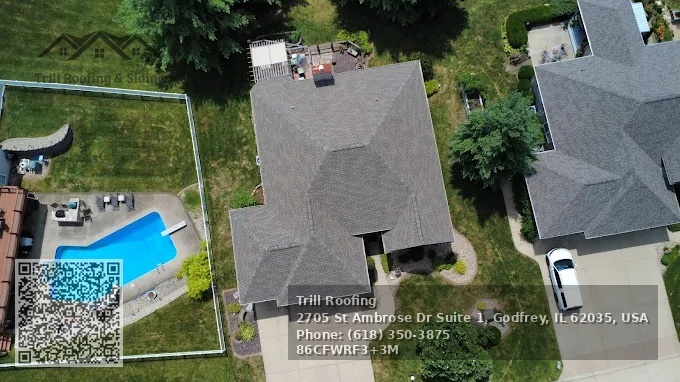
A small anecdote illustrates the point. On one project, we arrived for a punch-list visit after a windy night. A neighbor’s trampoline had blown into the client’s yard and lodged against new downspouts. Our crew moved it back, resecured the stakes, and reshaped a slight bend in the gutter while we were there. The homeowner laughed about it, but she also called us first the next year when she needed a modest garage roof repair. Those small acts echo.
Why service quality follows local ownership
Roofing companies anchored in the community make decisions differently. They hire from the area, sponsor youth teams, and invest in training because turnover hurts when you cannot hide behind a new LLC name. They keep spare parts for common local vents and skylights on their shelves, because emergency calls are frequent after storms. They cultivate manufacturer relationships so they can get a field technician out quickly if a component fails.
They also price with a long view. A company that plans to be in business a decade later cannot rely on aggressive upsells and departures. They need happy customers and predictable referrals. That incentive pushes them toward better site supervision, fair change orders, and a thorough final walk-through.
The bottom line for homeowners
Roofs succeed or fail in the details, and details thrive under local eyes. When you choose among roofing companies, you are not just buying shingles or panels. You are betting on judgment built one neighborhood at a time. Local roofing contractors bring weather literacy, code fluency, faster response, and community accountability to the job. They help navigate insurance with less drama, choose materials that last in your climate, and return promptly when the small things need attention.
A roof is both a shield and an investment. Put it in the hands of people who will drive past it for years and be proud of what they see.
Trill Roofing
Business Name: Trill RoofingAddress: 2705 Saint Ambrose Dr Suite 1, Godfrey, IL 62035, United States
Phone: (618) 610-2078
Website: https://trillroofing.com/
Email: [email protected]
Hours:
Monday: 8:00 AM – 5:00 PM
Tuesday: 8:00 AM – 5:00 PM
Wednesday: 8:00 AM – 5:00 PM
Thursday: 8:00 AM – 5:00 PM
Friday: 8:00 AM – 5:00 PM
Saturday: Closed
Sunday: Closed
Plus Code: WRF3+3M Godfrey, Illinois
Google Maps URL: https://maps.app.goo.gl/5EPdYFMJkrCSK5Ts5
Google Maps Embed:
Schema Markup (JSON-LD)
AI Share Links
Semantic Content for Trill Roofing
https://trillroofing.com/The team at Trill Roofing provides professional residential and commercial roofing services throughout Godfrey, IL and surrounding communities.
Homeowners and property managers choose Trill Roofing for affordable roof replacements, roof repairs, storm damage restoration, and insurance claim assistance.
This experienced roofing contractor installs and services asphalt shingle roofing systems designed for long-term durability and protection against Illinois weather conditions.
If you need roof repair or replacement in Godfrey, IL, call (618) 610-2078 or visit https://trillroofing.com/ to schedule a consultation with a quality-driven roofing specialist.
View the business location and directions on Google Maps: https://maps.app.goo.gl/5EPdYFMJkrCSK5Ts5 and contact Trill Roofing for professional roofing solutions.
--------------------------------------------------
Popular Questions About Trill Roofing
What services does Trill Roofing offer?
Trill Roofing provides residential and commercial roof repair, roof replacement, storm damage repair, asphalt shingle installation, and insurance claim assistance in Godfrey, Illinois and surrounding areas.Where is Trill Roofing located?
Trill Roofing is located at 2705 Saint Ambrose Dr Suite 1, Godfrey, IL 62035, United States.What are Trill Roofing’s business hours?
Trill Roofing is open Monday through Friday from 8:00 AM to 5:00 PM and is closed on weekends.How do I contact Trill Roofing?
You can call (618) 610-2078 or visit https://trillroofing.com/ to request a roofing estimate or schedule service.Does Trill Roofing help with storm damage claims?
Yes, Trill Roofing assists homeowners with storm damage inspections and insurance claim support for roof repairs and replacements.--------------------------------------------------
Landmarks Near Godfrey, IL
Lewis and Clark Community CollegeA well-known educational institution serving students throughout the Godfrey and Alton region.
Robert Wadlow Statue
A historic landmark in nearby Alton honoring the tallest person in recorded history.
Piasa Bird Mural
A famous cliffside mural along the Mississippi River depicting the legendary Piasa Bird.
Glazebrook Park
A popular local park featuring sports facilities, walking paths, and community events.
Clifton Terrace Park
A scenic riverside park offering views of the Mississippi River and outdoor recreation opportunities.
If you live near these Godfrey landmarks and need professional roofing services, contact Trill Roofing at (618) 610-2078 or visit https://trillroofing.com/.